I recently attended an HMO after a fire inspection by a health and safety officer, identified problems with the existing alarm system. The report highlighted that there were insufficient fire alarms in the building and that some of the existing detectors were out of date.
Smoke Alarm Testing in HMO: What Landlords Need to Know
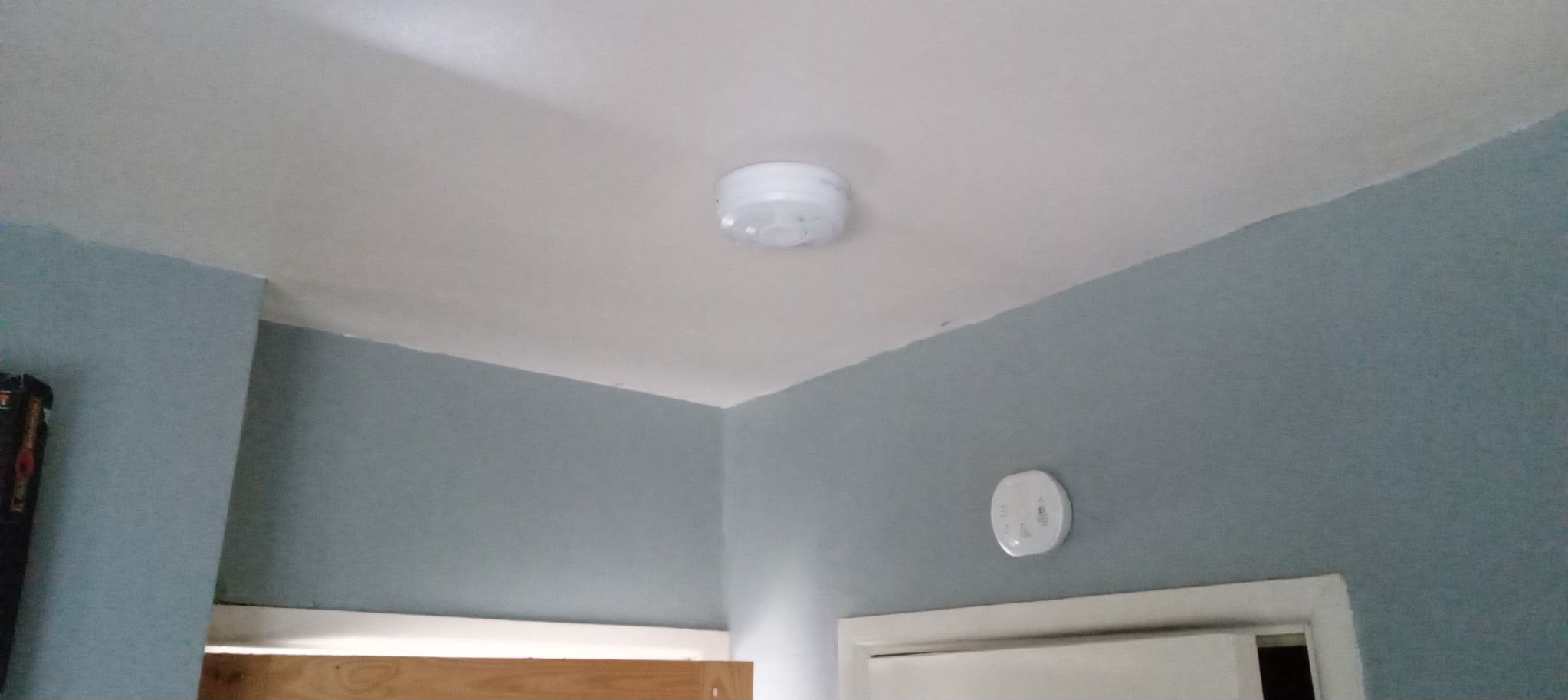
The landlord contacted me to upgrade the system to a Grade D1, LD1 system. This involved adding additional detectors to the kitchen and communal areas, replacing the existing detectors so that the system was consistent throughout the property, and interlinking them all together in line with the requirements of BS5839-6.
It is the sort of issue I come across regularly when carrying out smoke alarm testing and upgrades in HMOs across Bristol, Bath, South Gloucestershire and surrounding areas. A property can have smoke alarms installed, but that does not automatically mean the coverage, detector type or age of the equipment is correct.
The problems we found at this HMO
The main issue at this property was a combination of insufficient coverage and detectors that had reached the end of their service life. The fire inspection had already identified these concerns, so the landlord needed the system reviewed and upgraded.
I added the required detection in the kitchen and communal areas and upgraded the existing alarms so that the system worked as one consistent installation. The detectors were all interlinked together.
For me, the important part of a job like this is looking at the whole system rather than simply replacing one or two alarms. If existing detectors are out of date or the system does not provide the required coverage, replacing one detector does not solve the wider problem.
Are all areas of your HMO covered?
I see plenty of properties where alarms have been installed, but they are not located in the correct places or the coverage is incomplete.
During a visit, I would look at the existing detection throughout the property and identify where additional coverage may be needed. Kitchens and communal areas need particular attention, as do the routes that form part of the escape route through the building.
Every HMO is different, which is why I would rather inspect the existing system than make assumptions based on how many bedrooms a property has.
Are your smoke alarms still in date?
Smoke and heat detectors do not last forever. Many have an expiry date marked on the detector itself, and I regularly come across alarms that are still installed after their intended service life.
At the HMO I attended, the out-of-date alarms were one of the issues identified during the fire inspection. As part of the upgrade, I replaced the existing detectors so they matched the new system.
Checking the dates on your existing detectors is a straightforward starting point. If the alarms have expired, they should be reviewed and replaced as necessary.
Is the correct type of detector installed?
The type of detector matters as much as where it is installed. In general terms, a heat detector is used in a kitchen, while smoke detection is used in communal areas and other suitable locations.
Using the wrong type of detector can create problems. A kitchen needs equipment suited to that environment, while communal areas require appropriate smoke detection as part of the overall fire alarm arrangement.
I always look at the location each detector is serving rather than treating every room in the same way.
Carbon monoxide detection also needs checking
Another question I ask landlords to consider is whether fixed appliances capable of producing carbon monoxide are covered by a carbon monoxide detector where required.
Smoke alarms and carbon monoxide alarms serve different purposes. If a property contains relevant fixed appliances, the carbon monoxide detection should also form part of the review.
Regular testing is a landlord responsibility
Installing an alarm system is only part of the process. Detectors need to be tested regularly, and landlords also need to take responsibility for making sure the system remains in working order.
This is why Smoke Alarm Testing and upgrades in HMOs across Bristol, Bath, South Gloucestershire and Surrounding Areas should include more than pressing a test button. The age of the detectors, their location, the type of alarm installed and whether the system remains operational all need consideration.
Why landlords and agents contact RNM Electrical Services
I have more than 20 years of experience as an electrician, and RNM Electrical Services Limited is an NICEIC Approved Contractor. I also answer the phone myself, so there are no call centres between you and the person discussing the electrical work.
I provide same-day quotations and advice where possible, and our five-star Google reviews give landlords, agents and property owners the opportunity to see feedback from previous customers.
If you are responsible for an HMO, I am happy to review an existing alarm system, discuss concerns raised by an inspection or carry out an upgrade where required.
If you're a landlord or letting agent and you're unsure whether the smoke alarm system in your HMO is suitable, I can inspect the existing installation and advise you on any improvements that may be required.
FAQ Section
Are all areas in your HMO adequately covered?
I regularly see HMO properties with detectors installed in some areas but not in all of the correct locations. I would inspect the existing system and consider the coverage throughout the property, including kitchens, communal areas and relevant escape routes.
Are your alarms in date?
Smoke and heat detectors have a service life, and many have an expiry date marked on them. I would check the age of the existing detectors as part of reviewing the system and replace alarms that are out of date where necessary.
Do you have the correct type of detector for the area it serves?
The detector type should suit the location. A heat detector is generally used in a kitchen, while smoke detectors are commonly used in communal areas and other suitable locations.
Are appliances capable of producing carbon monoxide covered with a carbon monoxide detector?
This should be considered when reviewing the property's detection arrangements. If the property has relevant fixed appliances capable of producing carbon monoxide, I can check whether suitable carbon monoxide detection has been provided.
Are your detectors being regularly tested?
Regular testing is part of the landlord's responsibility for maintaining the alarm system. I would also recommend keeping an eye on detector dates and arranging a review if there are concerns about coverage, expired equipment or the operation of the system.
Contact RNM Electrical services limited today on 0800 002 5276 or via our contact form